Chat VIP

After Your Cosmetic Surgery: Essential Post-Operative Care Guide

11 key tips for a safe, calm recovery with superior aesthetic results. Your surgery is just the beginning — the true transformation happens in the post-operative period.
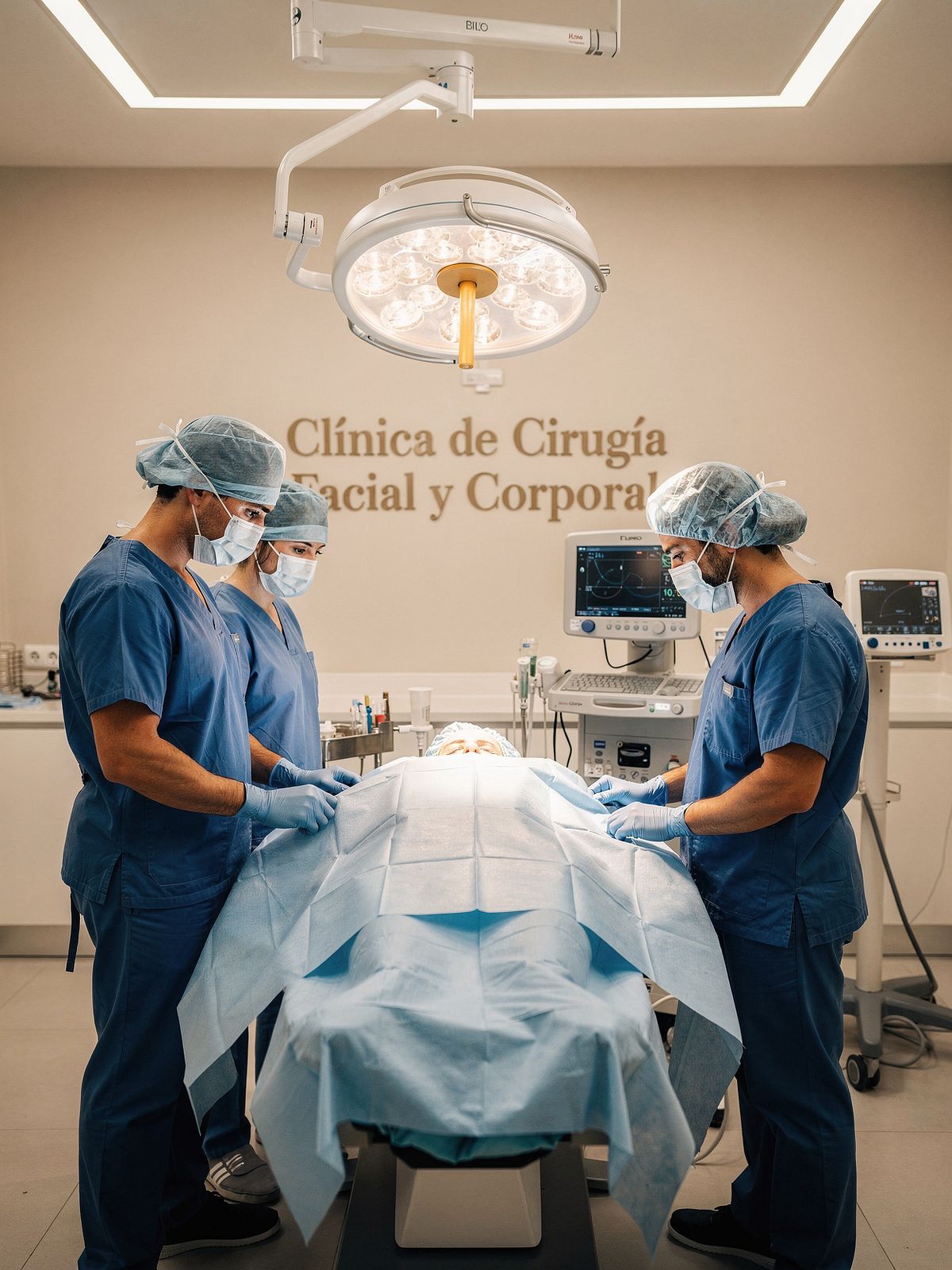

Post-Operative Care Guide
Recovery Process

Your Recovery: The Most Important Moment of the Process

Surgery shapes, but post-operative care perfects. Inflammation, healing, symmetry, skin texture, and final definition depend directly on your habits after the procedure.

Following these recommendations is not a detail: it is the difference between a good result and an extraordinary one.
TIPS 1 - 4

Fundamentals of Your Recovery

Hydration

1. Protein-Rich Nutrition

Your body needs building blocks to heal. Prioritize lean proteins, vegetables, and foods rich in zinc, vitamin C, and collagen.

Nutrition

2. Smart Hydration

Drinking enough water promotes cellular regeneration, reduces inflammation, and improves skin elasticity. Avoid alcohol and sugary drinks.

Medication

3. Compression Garment

Essential for body surgeries. It reduces inflammation, molds contours, and improves skin adherence. Use it for the indicated time.
Compression

4. Precise Medication

Take your medications on a strict schedule and dose. This controls pain, prevents infections, and reduces risks.

Post-Op Care
TIPS 5 - 7

Movement, Rest, and Medical Follow-up

5. Punctual Medical Appointments

Each appointment allows us to evaluate your progress, detect early changes, and adjust your care plan. Do not cancel or postpone them.

6. Gentle and Controlled Movement

Walking several times a day improves circulation and reduces the risk of blood clots. It is therapeutic mobility, not intense exercise.

7. Deep Rest and Emotional Stability

Sleeping well accelerates regeneration. Avoid stress, as elevated cortisol directly affects healing and prolongs inflammation.

TIPS 8 - 11

Advanced Care for Superior Results

8. Skin and Incision Care

Keep the treated areas clean and dry. Do not apply creams, oils, or home remedies without authorization. Avoid manipulating scabs or stitches.

9. Deep Breathing

Inhale through the nose, hold for a second, and exhale slowly through the mouth. It oxygenates tissues, reduces muscle tension, and supports natural lymphatic drainage.

10. Clean and Comfortable Environment

A well-prepared space reduces risks and improves your well-being. Keep everything within reach, avoid sudden movements, and create an environment that invites rest.

11. Constant Communication

For any doubts, discomfort, or unexpected changes, contact your care team. An informed patient recognizes warning signs and actively participates in their recovery.

Summary of the 11 Tips at a Glance

Each habit, applied with consistency, enhances your aesthetic results and overall well-being.
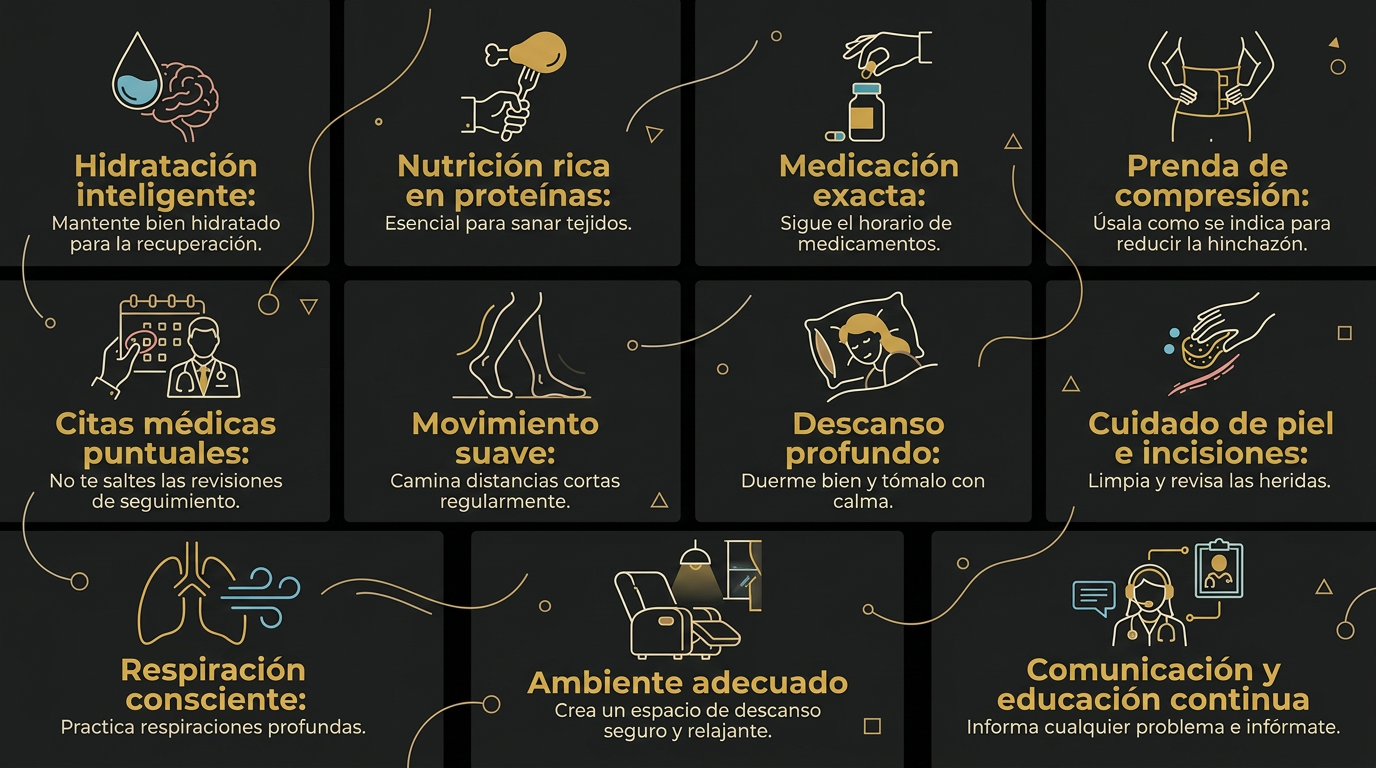
Summary of the 11 Tips
Personalized Accompaniment

The Importance of Personalized Accompaniment

After cosmetic surgery, your body undergoes a transformation process that continues for weeks and months. Professional accompaniment is not a luxury; it is an essential tool to ensure safety, aesthetic results, and peace of mind at every stage.

Four Pillars of Professional Accompaniment

Early Detection

Identify changes before they become complications. Regular follow-up allows for quick and precise action.

Continuous Adjustment

Your plan evolves with you. Adaptation is key to your success and results.

Emotional Support

It sustains you in a moment of vulnerability, reducing anxiety and fostering peace.

Lasting Results

Ensure that your results are maintained. Care is the investment that protects your surgery.

Alert Signs: When to Contact Your Doctor

During recovery, mild discomfort, inflammation, and sensitivity are normal. However, certain signs require immediate attention. Do not wait for your next appointment if you experience any of the following:

⚠️ Urgent Consultation

  • Fever over 38°C (100.4°F)
  • Intense pain that worsens over time
  • Redness, heat, or pus at the incision site
  • Asymmetrical swelling or increasing swelling
  • Difficulty breathing or palpitations

✅ It is Normal to Expect

  • Moderate inflammation during the first few days
  • Bruising that gradually changes color
  • Sensation of tension or mild numbness
  • Minor mood fluctuations
  • General fatigue during the first week

When in doubt, it is always better to consult. Your team is here to support you.

Your Commitment to Recovery is Your Best Result

Surgery is the tool. You are the artisan of your recovery. Every glass of water, every hour of rest, and every kept appointment is a step toward the result you imagined.

Be Consistent

Apply every tip every day, especially during the critical first weeks.

Be Patient

Final results take time. Trust the process and your medical team.

Be Active

Inform, ask, and communicate. A committed patient achieves extraordinary results.
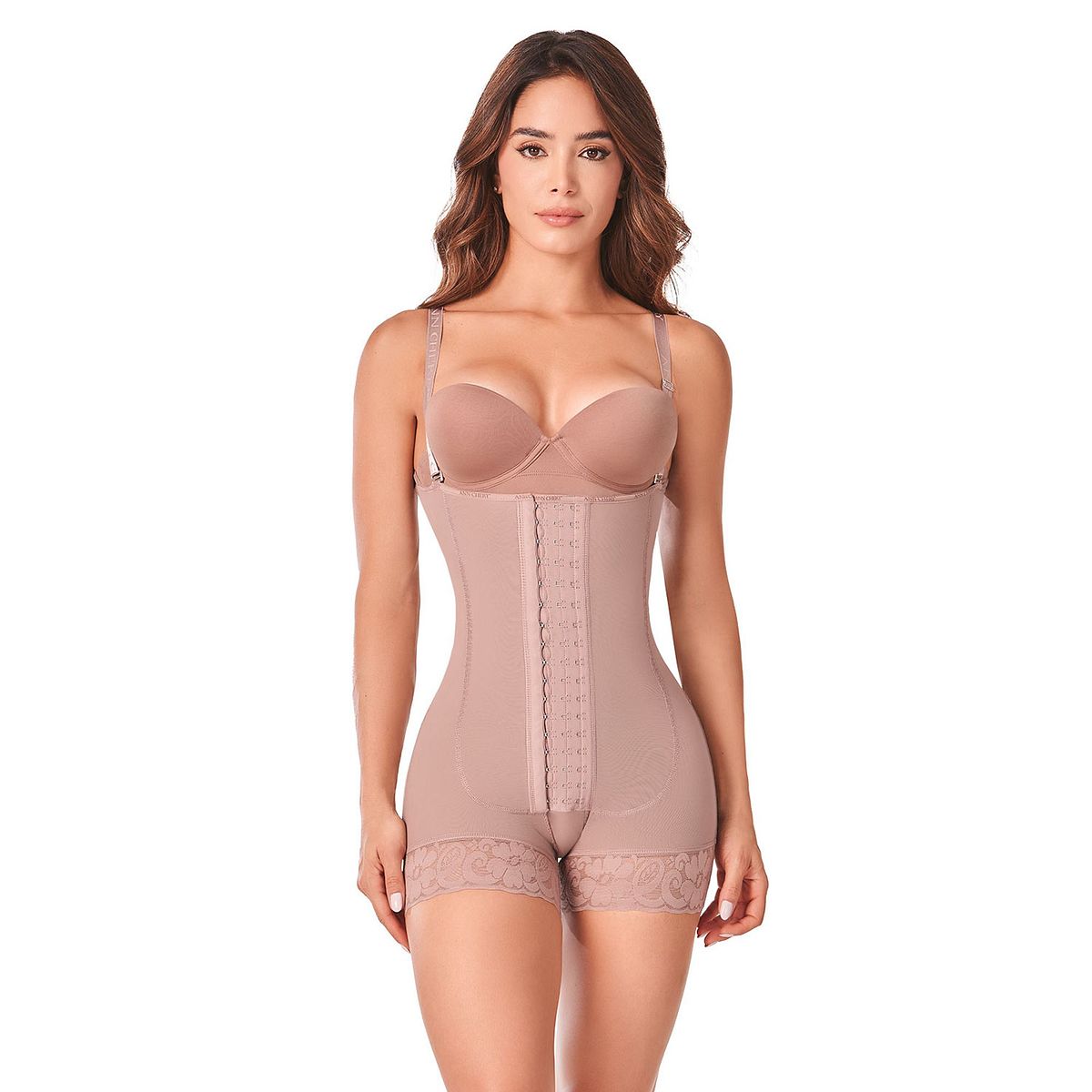
Patient in compression garment

MARIXA SUITES RECOVERY HOME